

T1D AUTOANTIBODY SCREENING
PROACTIVE SCREENING FOR T1D-RELATED ISLET AUTOANTIBODIES CAN IDENTIFY IF AN IMMUNE ATTACK IS HAPPENING1

THE AMERICAN DIABETES ASSOCIATION (ADA) RECOMMENDS PROACTIVELY SCREENING AT-RISK PATIENTS FOR THE FOLLOWING 4 ISLET AUTOANTIBODIES (AAbs)2*
 GADA
GADA
(glutamic acid decarboxylase 65 AAb)
IA-2A
(insulinoma-associated antigen 2 AAb)
IAA
(insulin AAb)
ZnT8A
(zinc transporter-8 AAb)
*Islet cell AAb (ICA) is also available for testing.3
BETA-CELL DYSFUNCTION CAN BE DETECTED 4-6 YEARS BEFORE SYMPTOM ONSET 5,6
There are many benefits of proactive T1D screening
MAY REDUCE DKA RISK AT DIAGNOSIS
Although up to 70% of patients present with diabetic ketoacidosis (DKA) at diagnosis4,7, DKA exacerbates beta-cell loss, adding to the damage already caused by autoimmunity.8-10
DKA at diagnosis in associated with8,10-12:

Hospitalization

Neurocognitive
impairment

Poor glycemic
control over time
AVOID T2D MISDIAGNOSIS
It can be difficult to distinguish between the symptoms of T1D and T2D; this may lead to misdiagnosis, particularly in adults.2,3,17
Proactive autoantibody screening determines whether abnormal glucose levels are related to:

Autoimmune attack
of beta cells
TYPE 1

Insulin resistance
TYPE 2
*In a retrospective online survey of 2,526 people with autoimmune T1D and caregivers of people with autoimmune T1D in the US, a diagnosis of autoimmune T1D was missed in 38.6% (n=330/856) of those aged ≥18 years. Of those people, 76.8% (n=253/330) were initially diagnosed with T2D.18
MORE TIME TO PREPARE AND BUILD A SUPPORT NETWORK
A negative test can give individuals and families peace of mind, while a positive result may give time to prepare.1

MORE TIME:
-
Allows time to prepare and build a support network
-
Offers time to seek T1D education and support
The Cost of Not Knowing research, from Beyond Type 1, was commissioned by Sanofi and conducted by Wakefield Research ( www.wakefieldresearch.com ). The research was conducted via two survey instruments—one among 1000 US adults with type 1 diabetes and a second among 1000 US caregivers to children under the age of 18 with type 1 diabetes, between March 15, 2024 and March 29, 2024, using an email invitation and an online survey.19
PATIENTS ELIGIBLE FOR SCREENING

Family history—first-degree relative:
UP TO 15x GREATER LIFETIME RISK OF DEVELOPING T1D
in individuals with a first-degree relative with T1D compared to the general population20
Family history—autoimmune conditions:
There is a high correlation between T1D and other autoimmune conditions
2-3x HIGHER LIKELIHOOD OF DEVELOPING T1D
in those with celiac or autoimmune thyroid conditions vs those without21*
*From a retrospective, observational, matched-cohort study using real-world data from the Optum Clinformatics claims database including individuals with celiac disease, hyperthyroidism (including Graves’ disease), and hypothyroidism (including Hashimoto’s thyroiditis).21
People suspected of having T2 Prediabetes or T2D:
The clinical phenotype of T1D can overlap with T2 prediabetes and T2D,
MAKING IT CRUCIAL TO DIFFERENTIATE BETWEEN THE CONDITIONS22
Rising obesity in children and adolescents is emerging as a critical factor blurring the clinical distinction between T1D and T2D23-25
People with no known risk factors:
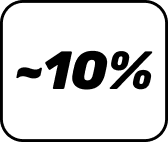
In the US, the incidence of T1D is projected to grow
~10% BY 203326*
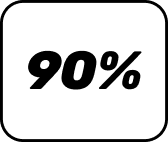
AROUND 90% OF NEW DIAGNOSES
occur in people with no family history of T1D27*
*Projected growth from 2024, assuming rising T1D incidence and improved survival with use of devices; by 2033, the US T1D population is projected to grow ~10% to ~2.29M, with increases largely driven by new cases and aging of the population.26
†From a population-based observational study of 57,371 young people with T1D recruited from across Germany, Austria, Switzerland, and Luxembourg, using data from the Diabetes Prospective Follow-up Registry between 1995 and 2018.27
EARLY DETECTION MATTERS
Learn more about the importance of screening and how early detection of T1D can improve outcomes.
References
-
Scheiner G, Weiner S, Kruger DF, et al. Screening for type 1 diabetes: role of the diabetes care and education specialist. ADCES Pract. 2022;10(5):20-25.
-
American Diabetes Association Professional Practice Committee. 2. Diagnosis and classification of diabetes: standards of care in diabetes—2025. Diabetes Care. 2025;48(suppl 1):S27-S49.
-
Understanding A1C diagnosis. American Diabetes Association. Accessed March 6, 2026. https://www.diabetes.org/a1c
-
Phillip M, Achenbach P, Addala A, et al. Consensus guidance for monitoring individuals with islet autoantibody‑positive pre‑stage 3 type 1 diabetes. Diabetes Care. 2024;47(8):1276-1298.
-
Koskinen MK, Helminen O, Matomaki J, et al. Reduced β-cell function in early preclinical type 1 diabetes. Eur J Endocrinol. 2016;174(3):251-259.
-
Galderisi A, Carr ALJ, Martino M, et al. Quantifying beta cell function in the preclinical stages of type 1 diabetes. Diabetologia. 2023;66(12):2189-2199.
-
Wolfsdorf JI, Glaser N, Agus M, et al. ISPAD Clinical Practice Consensus Guidelines 2018: diabetic ketoacidosis and the hyperglycemic hyperosmolar state. Pediatr Diabetes. 2018;19(suppl 27):155-177.
-
Mortensen HB, Swift PGF, Holl RW, et al; Hvidoere Study Group on Childhood Diabetes. Multinational study in children and adolescents with newly diagnosed type 1 diabetes: association of age, ketoacidosis, HLA status, and autoantibodies on residual beta-cell function and glycemic control 12 months after diagnosis. Pediatr Diabetes. 2010;11(4):218-226.
-
Duca LM, Wang B, Rewers M, et al. Diabetic ketoacidosis at diagnosis of type 1 diabetes predicts poor long-term glycemic control. Diabetes Care. 2017;40(9):1249-1255.
-
Fernandez Castaner M, Montana E, Camps I, et al. Ketoacidosis at diagnosis is predictive of lower residual beta-cell function and poor metabolic control in type 1 diabetes. Diabetes Metab. 1996;22(5):349-355.
-
Beliard K, Ebekozien O, Demeterco-Berggren C, et al. Increased DKA at presentation among newly diagnosed type 1 diabetes patients with or without COVID-19: data from a multi-site surveillance registry. J Diabetes. 2021;13(3):270-272.
-
Ghetti S, Kuppermann N, Rewers A, et al; Pediatric Emergency Care Applied Research Network (PECARN) DKA FLUID Study Group. Cognitive function following diabetic ketoacidosis in young children with type 1 diabetes. Endocrinol Diab Metab. 2023;6:e412.
-
Cato A, Hershey T. Cognition and type 1 diabetes in children and adolescents. Diabet Spectr. 2016;29(4):197-202.
-
Elding Larsson H, Vehik K, Bell R, et al; TEDDY Study Group; SEARCH Study Group; Swediabkids Study Group; DPV Study Group; Finnish Diabetes Registry Study Group. Reduced prevalence of diabetic ketoacidosis at diagnosis of type 1 diabetes in young children participating in longitudinal follow-up. Diabetes Care. 2011;34(11):2347-2352.
-
Besser REJ, Ng SM, Gregory JW, et al. General population screening for childhood type 1 diabetes: is it time for a UK strategy? Arch Dis Child. 2022;107(9):790-795.
-
Ziegler AG, Kick K, Bonifacio E, et al; Fr1da Study Group. Yield of a public health screening of children for islet autoantibodies in Bavaria, Germany. JAMA. 2020;323(4):339-351.
-
Holt RIG, DeVries JH, Hess-Fischl A, et al. The management of type 1 diabetes in adults. A consensus report by the American Diabetes Association (ADA) and the European Association for the Study of Diabetes (EASD). Diabetologia. 2021;64(12):2609-2652.
-
Munoz C, Floreen A, Garey C, et al. Misdiagnosis and diabetic ketoacidosis at diagnosis of type 1 diabetes: patient and caregiver perspectives. Clin Diabetes. 2019;37(3):276-281.
-
The price of uncertainty: unveiling the impact of unexpected type 1 diabetes diagnoses. Beyond Type 1. June 5, 2024. Accessed March 7, 2026. https://beyondtype1.org/unexpected-type-1-diabetes-diagnoses/
-
Couper JJ, Haller MJ, Greenbaum CJ, et al. ISPAD Clinical Practice Consensus Guidelines 2018: stages of type 1 diabetes in children and adolescents. Pediatr Diabetes. 2018;19(suppl 27):20-27.
-
Edelman SV, Agardh D, Cui N, et al. Risk of new-onset type 1 diabetes in individuals with celiac disease and thyroid disease—an observational study. Diabetes Obes Metab. 2025;27(8):4229-4238.
-
Reynolds J. Key differences between type 1 and type 2 diabetes: a comprehensive guide. MyGlu.org. November 21, 2024. Accessed March 7, 2026. https://www.myglu.org/diabetes-overview-basics/differences-between-type-1-and-type-2-diabetes/
-
Pulgaron E, Delamater A. Obesity and type 2 diabetes in children: epidemiology and treatment. Curr Diab Rep. 2014;14(8):508.
-
DiMeglio L, Evans-Molina C, Oram RA. Type 1 diabetes. Lancet. 2018;391(10138):2449-2462.
-
Washington R. Obesity may lead to confusion: type 1 versus type 2 diabetes. J Pediatr. 2013;162(4):736-740.
-
Smith RA, Eisenberg S, Turner-Pfifer A, et al. We are on the verge of breakthrough cures for type 1 diabetes, but who are the 2 million Americans who have it? J Health Econ Outcomes Res. 2024;11(2):145-153.
-
Karges B, Prinz N, Placzek K, et al. A comparison of familial and sporadic type 1 diabetes among young patients. Diabetes Care. 2021;44(5):1116-1124.
MAT-US-2504446-v2.0-03/2026